Creativity Is a Muscle: Why I Still Play Music as a Tech Founder
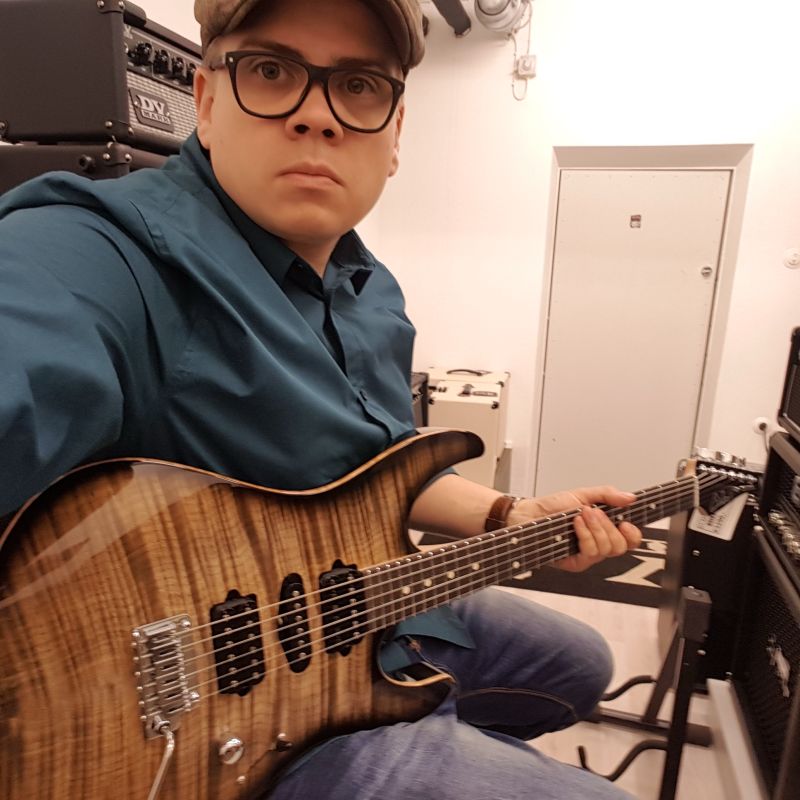
Creativity is a muscle, which you can exercise. One of the things I train my creativity with is by playing music.
Some people think that you are either born with creativity and artistic talent or you are left without. But actually your neural system is malleable and through neuroplasticity, even at an older age, you can learn. My father learned to play guitar when he was well into his forties. Not a young prodigy story. Just a person who decided to build a new capability.
The investments I have done with practicing creative arts since I was only a few years old is a gift that keeps on giving every day.
The Neuroscience Is Clear
The idea that creativity is innate - that some people are “creative” and others aren’t - is one of the most persistent and damaging myths in professional culture. Research in neuroscience has consistently demonstrated that creative thinking is a trainable skill. The neural pathways that support creative problem-solving can be strengthened through practice, just like any other cognitive ability.
This isn’t just academic theory. Musicians who practice regularly show measurably different brain structures - increased connectivity between hemispheres, enhanced working memory, better pattern recognition. These aren’t talents they were born with. They’re capabilities they built through years of deliberate practice.
And here’s what makes this relevant to anyone in technology or business: those same neural capabilities - pattern recognition, the ability to hold multiple concepts simultaneously, comfort with ambiguity, the habit of exploring alternatives - are exactly what’s needed for innovation, strategy, and problem-solving.
Music and Technology Thinking
There’s a reason so many people in technology are also musicians. It’s not coincidence, and it’s not just that “nerdy people like both.” The cognitive skills overlap in meaningful ways.
When you’re improvising music, you’re doing something remarkably similar to architectural thinking in software. You’re holding a structure in your mind (the chord progression, the key, the rhythm), while simultaneously exploring variations within that structure. You’re making real-time decisions about what works and what doesn’t. You’re listening to other musicians and adapting your approach based on what they’re doing.
Replace “chord progression” with “system architecture” and “other musicians” with “team members” and you’ve described a significant part of what a CTO does.
Composition is even more directly analogous. You start with a vague sense of what you want to create. You make choices that constrain your options in productive ways. You iterate. You throw things away and start over. You develop taste for what works. The creative process in music and the creative process in building products are structurally identical, even though the materials are completely different.
Why This Matters for Leadership
As a startup founder, I find that the creative habits I’ve maintained since childhood give me advantages that are hard to quantify but easy to feel.
Comfort with ambiguity. In music, especially improvisation, you frequently don’t know where you’re going. You learn to be comfortable with that uncertainty and to trust that the next good idea will emerge if you keep exploring. This is directly transferable to startup life, where the path is rarely clear.
Iterative thinking. Musicians practice the same piece hundreds of times, each time finding something to refine. This habit of iteration - the belief that everything can be improved with another pass - is essential in product development and strategy.
The ability to ship imperfect work. Every live performance is imperfect. You play anyway. You don’t wait until it’s perfect because perfection is a studio illusion. This mindset is crucial for startups, where the cost of waiting for perfection is usually higher than the cost of shipping something good enough.
Cross-domain pattern recognition. Playing multiple instruments and exploring different genres builds an intuition for patterns that cross boundaries. That same intuition helps me see connections between seemingly unrelated business challenges.
Give the Gift Forward
Remember to give that gift forward to the next generation. If you have children, investing in their creative development - music, visual arts, theater, whatever resonates with them - is one of the highest-return investments you can make in their cognitive development.
This isn’t about creating professional artists. It’s about building brains that can think flexibly, handle complexity, and generate novel solutions. These are the skills that will matter most in an AI-augmented world, where the routine cognitive work is increasingly handled by machines and the human value lies in genuine creative thinking.
Start Today
How do you train your creativity? Or what would you want to do if you started today?
The beautiful thing about creative practice is that there’s no age limit and no prerequisite. You don’t need talent. You need practice. The neural pathways will build themselves if you give them the stimulus.
For me, playing music remains one of the most reliable ways to reset my thinking, break out of analytical loops, and return to problems with fresh perspective. It’s not a hobby alongside my career. It’s a fundamental part of how I maintain the cognitive flexibility that my career demands.
If you’re deep in technology, in business, in the analytical grind - find your creative practice. Your brain will thank you for it.