Startup Founder Survival: Systemizing the Habits That Keep You Alive
Becoming a startup founder is like joining the Special Forces of work-life. That comparison is not hyperbole for dramatic effect. The days are absurdly long, mentally taxing, and emotionally demanding in ways that no amount of corporate experience fully prepares you for. You are simultaneously the strategist, the operator, the salesperson, the support team, and the person who has to make decisions with incomplete information every single day. And unlike a regular job, there is no clocking out. The company lives in your head at 2 AM whether you want it there or not.
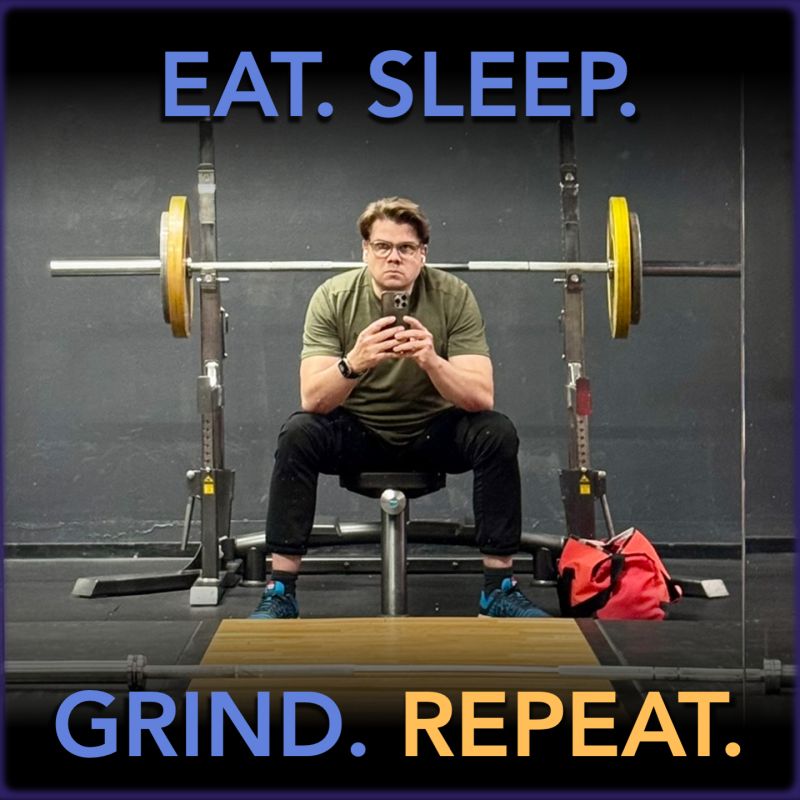
Here is a not-so-secret detail about me that I think more founders should be honest about: I do not enjoy exercise. I mean this literally. I do not experience that rush of satisfaction or pleasure from physical activity that fitness enthusiasts describe. My body and brain are simply not wired that way. There is no runner’s high waiting for me at the end of a 5K. There is just the relief that it is over. For most of my life, this was fine. But founding a startup changed the equation completely. When your days regularly stretch to 14 hours and the stress is relentless, physical fitness is not a lifestyle choice. It is a survival requirement.
So I did what I do best with any challenge: I systemized it. I am extremely goal-oriented by nature. Give me a target, a metric, and a tracking system and I will grind toward it regardless of whether I enjoy the process. That is the approach I took with fitness. I stopped trying to find a form of exercise I love – that search was a dead end for someone with my wiring. Instead, I treated it like a business objective. Define the minimum effective dose. Set measurable targets. Track progress. Execute consistently. The motivation does not come from enjoying the workout. It comes from knowing that without it, I will not physically or mentally survive the years ahead.
This is the part nobody talks about at startup events. The pitch competitions and investor meetings and product launches get all the attention. But the unsexy truth is that founder durability is a competitive advantage. The founders who burn out in year two do not get to see their vision through, no matter how brilliant it is. The ones who build sustainable habits – sleep, movement, nutrition, mental health practices – give themselves the runway to actually reach the outcomes they are working toward. It is not about being a fitness influencer. It is about being functional enough to make good decisions on day 800 of your startup, not just day 80.
I am not going to pretend I have this perfectly figured out. Some weeks the system breaks down. Travel disrupts routines, deadlines eat into workout slots, and the temptation to skip “just today” is ever-present. But the system exists, and that is the point. Having a structured approach means that when you fall off, you know exactly how to get back on. You do not need motivation. You need a process. And if there is one thing startup founders are good at, it is building processes that work even when conditions are not ideal. Apply that same skill to your own survival. Your future self will thank you for it.